
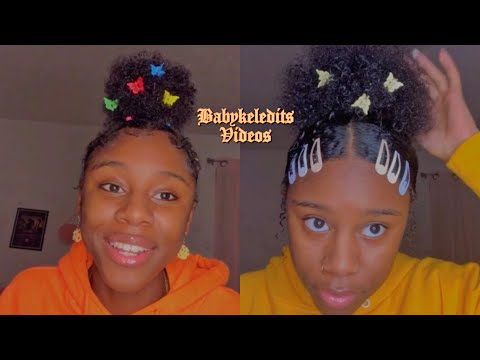
keep up with zarinah🍄 on social media
instagram: kurlsbyzarinah
https://www.instagram.com/kurlsbyzarinah/
My Social Media📱
Instagram – @babykeledits
https://www.instagram.com/babykeledits/
Twitter – @babykeledits
https://twitter.com/Babykeledits
SnapChat – @memedoll100
My Email – memedoll100@gmail.com 📲
for any questions, don’t hesitate to contact me …
CHECK OUT MY LAST VIDEO ‼️🔥
Amiyah 🤎✨ Short 4 Type Natural Hair Tutorials Compilation 🤎✨
https://www.youtube.com/watch?v=EkmGE07zQj0
My Social Media📱
Instagram – @babykeledits
https://www.instagram.com/babykeledits/
Twitter – @babykeledits
https://twitter.com/Babykeledits
SnapChat – @memedoll100
My Email – memedoll100@gmail.com 📲
for any questions, don’t hesitate to contact me …
CHECK OUT MY LAST VIDEO ‼️🔥
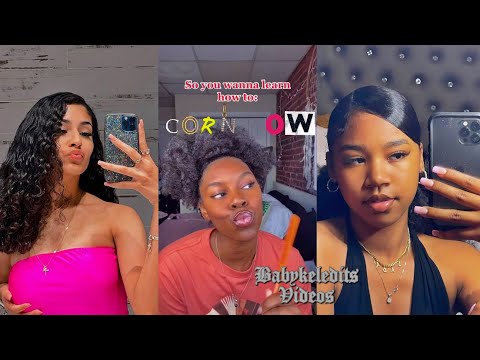
Baddie 😱💜Hairstyles That Will Make You Do A Double Take💜😱
https://youtu.be/8V4zX8nyuEY
Look, I’m not going to sugarcoat it. Running a hookah and bong business online isn’t for the faint of heart. You’re dealing with a niche market, ever-changing regulations, and a whole lot of competition. We started Bong, a few years back with a dream – to offer quality smoking accessories and build a loyal community. We had the products; beautiful, handcrafted hookahs, durable bongs, premium shisha tobacco… everything you could want. What we didn’t have was a steady flow of customers. We were relying heavily on sporadic bursts of traffic from paid ads and hoping for the best. It was stressful, unpredictable, and frankly, not sustainable.
Background: The Bong Struggle Was Real
Bong started out like a lot of online businesses – with enthusiasm and a handful of products. We sourced directly from artisans – some incredible glassblowers, talented woodworkers – and believed in offering unique items you couldn’t just find anywhere. That was our initial differentiator. We had a functional website, a basic social media presence, and a Google Ads campaign running. But the numbers… the numbers were depressing.
We’d see spikes in sales whenever we launched a new ad campaign, but those spikes were short-lived. Once the ad budget dried up, the sales would plummet. Our organic traffic was practically non-existent. People weren’t finding us through search engines. We were pouring money into ads just to keep the lights on. We knew something had to change. Our customers, when they did find us, loved our products. We had great reviews, repeat purchases from a small core group… but we needed to expand that core group into a thriving community.
We were struggling with three main pain points: 1) Visibility – people simply weren’t finding us online. 2) Brand Authority – we were seen as just another online store, not a trusted source for quality accessories. And 3) Customer Retention – we weren’t doing enough to keep customers coming back. Our existing SEO efforts felt… scattered. We were focusing on individual product pages, throwing a few keywords here and there, but not having a cohesive strategy. We knew we needed a more holistic approach, something that would build long-term, sustainable growth.
Challenge: The Organic Search Desert
The biggest challenge was our lack of organic traffic. We were relying far too heavily on paid advertising. It was an expensive habit, and the results weren’t worth the cost. We’d do keyword research, find some terms related to “hookahs,” “bongs,” and “shisha,” and stuff them into product descriptions. But it felt forced, and honestly, probably looked pretty spammy.
Beyond that, we weren’t creating content that resonated with our target audience. We didn’t have a blog. We weren’t publishing guides or tutorials. We weren’t answering common questions or addressing concerns. We were essentially invisible to anyone searching for information related to smoking accessories.
The competition was fierce. Established players with deep pockets were dominating the search results. They were churning out content like machines, building backlinks, and generally playing the SEO game with ruthless efficiency. We were trying to fight them with a few product descriptions and a prayer. It felt like shouting into a hurricane.
Our website structure wasn’t exactly helping matters either. It was a bit haphazard, designed primarily for converting visitors who already knew what they wanted. Navigation was functional but not user-friendly, and the internal linking was virtually non-existent. Essentially, Google couldn’t understand the architecture of our site, making it harder for it to crawl and index our pages effectively.
Solution: Embracing Glass Bong and Content Marketing
That’s when we decided to seriously invest in content marketing and focus on becoming the go-to resource for all things related to smoking accessories. We knew we needed to target broader, more informational keywords that people were actually searching for.
The key, we realized, was understanding what people were really looking for. They weren’t just searching for “hookah for sale” or “bong online.” They were searching for “how to clean a hookah,” “best shisha flavors,” “what’s the difference between a beaker bong and a straight bong?” They wanted advice, guidance, and entertainment.
This led to a pivot. We started a blog. And we didn’t just blog about our products. We blogged about everything related to smoking accessories. We created detailed guides on how to choose the right hookah, tutorials on how to pack a bowl properly, reviews of different shisha brands, and even articles on the history and culture of hookah smoking.
We started focusing on specific categories, and one category quickly emerged as a clear winner: Glass Bong. It became clear there was immense interest and a lot of questions surrounding this particular accessory. We dedicated a significant portion of our content efforts towards Glass Bong – creating detailed buying guides, showcasing different styles, explaining the benefits of different glass types, and even sharing tips on maintenance and care. We made sure our core product page for Glass Bong was optimized for a wide range of relevant keywords.
But content was only half the battle. We also needed to build backlinks. We reached out to other blogs and websites in related niches – cannabis culture blogs, lifestyle publications, even some online magazines – and offered to contribute guest posts and articles. We participated in online forums and communities, sharing our expertise and providing helpful advice. We actively built relationships with influencers and thought leaders in the industry.
Finally, we overhauled our website structure. We created a clear and logical navigation system. We optimized our internal linking to guide visitors to relevant content. We ensured that our website was mobile-friendly and fast-loading.
Results: A Steady Stream of Customers
The results were dramatic. Within six months, our organic traffic increased by over 300%. Our keyword rankings improved significantly. Our website’s domain authority increased steadily.
More importantly, we started seeing a steady stream of new customers arriving on our website organically. Our sales increased by over 150%. Our customer retention rate improved. We saw a decrease in our reliance on paid advertising.
Our blog became a valuable asset. It attracted a loyal following of readers who were interested in learning more about smoking accessories. It positioned us as a trusted source of information. It built our brand authority.
The Glass Bong category, which we focused on so heavily, became one of our top-performing product categories. The dedicated resources we created around Glass Bong resonated powerfully with our target audience, translating into increased sales and a surge in organic traffic. People weren’t just searching for “buy bong” – they were searching for “best glass bong for beginners” or “how to choose a sturdy glass bong.”
Key Takeaways
- Content is King (and Queen): Investing in high-quality, informative content is essential for driving organic traffic and building brand authority.
- Know Your Audience: Understand what your target audience is searching for, and create content that answers their questions and addresses their concerns.
- Focus on Specific Niches: Identify high-potential product categories and dedicate significant resources to optimizing them.
- Build Relationships: Networking with other blogs, websites, and influencers can help you build backlinks and expand your reach.
- Patience is a Virtue: SEO takes time and effort. Don’t expect overnight results. Be persistent, and stay focused on your goals.
- Glass Bong is a Goldmine: Seriously, if you’re selling smoking accessories, don’t underestimate the power of focusing on specific product categories like Glass Bong. The demand is there, and a well-executed content strategy can reap significant rewards.
We went from a business struggling to survive on paid advertising to a thriving online store with a loyal community of customers. It wasn’t easy, but it was worth it. And it all started with a simple decision: to create content that people actually wanted to read.
My Social Media📱
Instagram – @babykeledits
https://www.instagram.com/babykeledits/
Twitter – @babykeledits
https://twitter.com/Babykeledits
SnapChat – @memedoll100
My Email – memedoll100@gmail.com 📲
for any questions, don’t hesitate to contact me …
CHECK OUT MY LAST VIDEO ‼️🔥
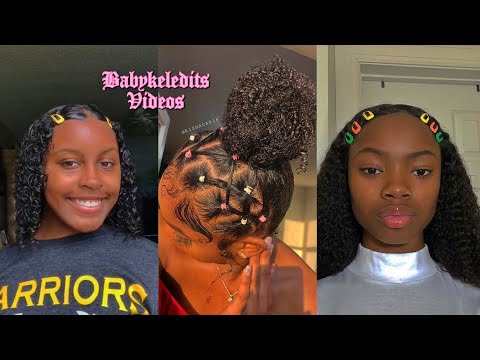
NEW 2021🦋💕 BACK TO SCHOOL Natural Hairstyles that you MUST TRY🦋💕
https://youtu.be/9qNXEbBcrn4
This channel and I do not claim any right over any of the graphics, images, songs used in this video. All rights reserved to the respective copyright owners.
Connect With Me
Instagram : @babykeledits
https://www.instagram.com/babykeledits/
Twitter : @babykeledits
https://twitter.com/Babykeledits
SnapChat : @memedoll100
Business Email : memedoll100@gmail.com
for any questions, don’t hesitate to contact me …
Go Watch My Last Video If You Haven”t ⬇️
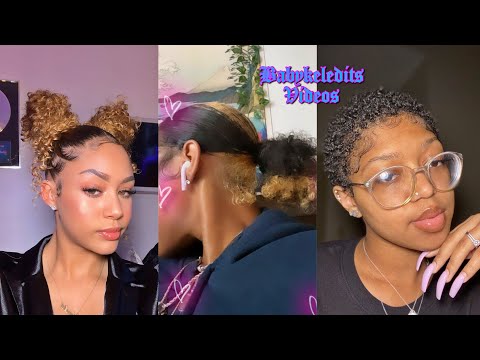
Random🍭🥵 But Entertaining TikTok Hair Tutorials You MUST Watch🍭🥵
https://youtu.be/PbrqDQQTzGM
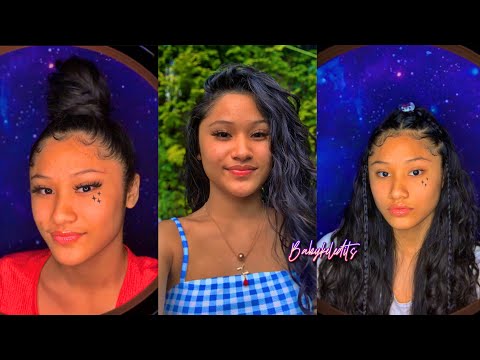
Follow Her On Instagram
xkimmi.x
https://www.instagram.com/xkimmi.x/
Watch Pt. 1 Of Kimmi’s Trendy & Cute Hairstyles Compilation
https://www.youtube.com/watch?v=B9bEiJSdQRY&t=792s
My Social Media📱
Instagram – @babykeledits
https://www.instagram.com/babykeledits/
Twitter – @babykeledits
https://twitter.com/Babykeledits
SnapChat – @memedoll100
My Email – memedoll100@gmail.com 📲
for any questions, don’t hesitate to contact me …
CHECK OUT MY LAST VIDEO ‼️🔥
Kimmi Trendy & Cute Hairstyle Compilation
https://www.youtube.com/watch?v=B9bEiJSdQRY&t=814s
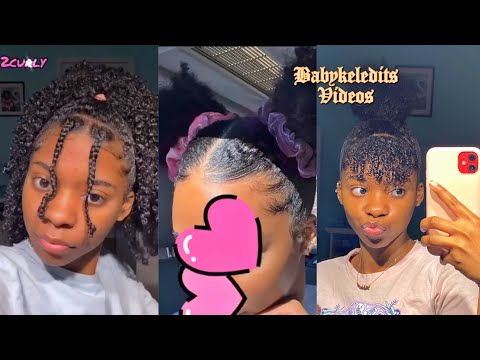
keep up with adriii💕 on social media
instagram: adri2curly
https://www.instagram.com/adri2curly/
My Social Media📱
Instagram – @babykeledits
https://www.instagram.com/babykeledits/
Twitter – @babykeledits
https://twitter.com/Babykeledits
SnapChat – @memedoll100
My Email – memedoll100@gmail.com 📲
for any questions, don’t hesitate to contact me …
CHECK OUT MY LAST VIDEO ‼️🔥
Amanee🧡 Baddie Curly Hairstyles Tutorial Compilation🧡https://youtu.be/INNCY5tNj3c
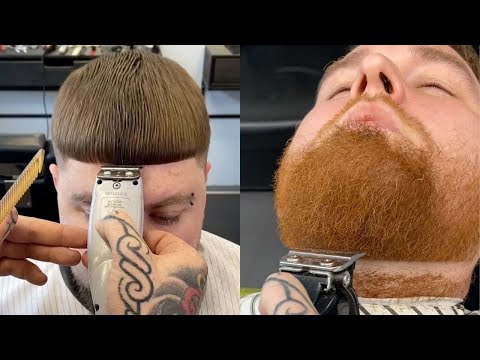
Most Satisfying Haircut Transformation Ever Vol 2 | Beard Sculpting |
Watch If you missed previous Video! Follow us on Social Media !
Instagram: https://www.instagram.com/royal_barber_bash
FACEBOOK: https://www.facebook.com/ROYALBARBERBASH
Website ! https://www.menhairdos.com
Track:
Elektronomia & RUD – Memory [NCS Release]
Music provided by NoCopyrightSounds.
Watch: https://youtu.be/EnuGdwI0W1g
Free Download / Stream: http://ncs.io/Memory
– – – – – – – – – – – – – – – – – – – – – – – – – – – – – – – – – – – – – –
Track:
Mendum & Abandoned – Voyage (Feat. DNAKM) [NCS Release]
Music provided by NoCopyrightSounds.
Watch:
Free Download / Stream: http://ncs.io/Voyage
– – – – – – – – – – – – – – – – – – – – – – – – – – – – – – – – – – – – – –
– – – – – – – – – – – – – – – – – – – – – – – – – – – – – – – – – – – – – –
#royalbarberbash #satisfying #barbers
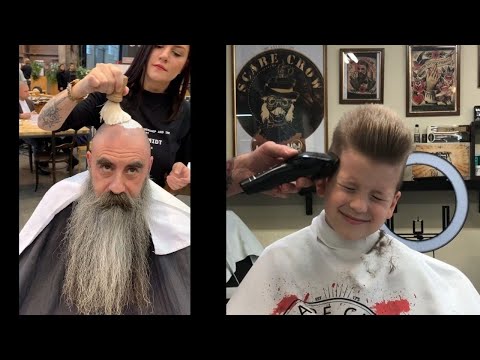
@THE ROYAL BARBER BASH Subscribe for more cool amazing haircuts transformation for men and boy, in this post we’ve compiled some of the best haircuts transformations ever, all of these haircuts inspired by best barbers in the world. Included boys haircuts, beard styles, quiff haircuts, pompadour, taper fade haircuts.
@Maestros Classics Barbers Subscribe Barber Maestros for amazing haircuts compilations for black men.
Follow us on insta| https://www.instagram/royal_barber_bash/
Visit websites for more cool haircuts| https://www.menhairdos.com
Track info |
NCS: Music Without Limitations.

Free Download / Stream: http://ncs.lnk.to/Faceless
Learn the lyrics: https://ncs.io/FacelessAlbumLyrics
#bestbarbersintheworld #boyhaircut #shorts
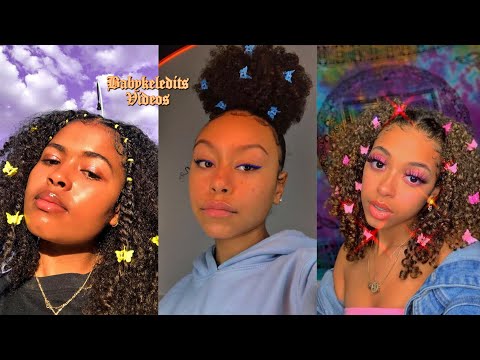
My Social Media📱
Instagram – @babykeledits
https://www.instagram.com/babykeledits/
Twitter – @babykeledits
https://twitter.com/Babykeledits
SnapChat – @memedoll100
My Email – memedoll100@gmail.com 📲
for any questions, don’t hesitate to contact me …
CHECK OUT MY LAST VIDEO ‼️🔥